對於Boris Vervoordt來說,家庭的文化薰陶成為其個人成長過程中難能可貴的養分,從小在父親Axel Vervoordt(侘寂大師)的影響下,慢慢接觸侘寂美學和禪宗精神,開始學會如何欣賞物質原始的美和事物的殘缺、或不完美。
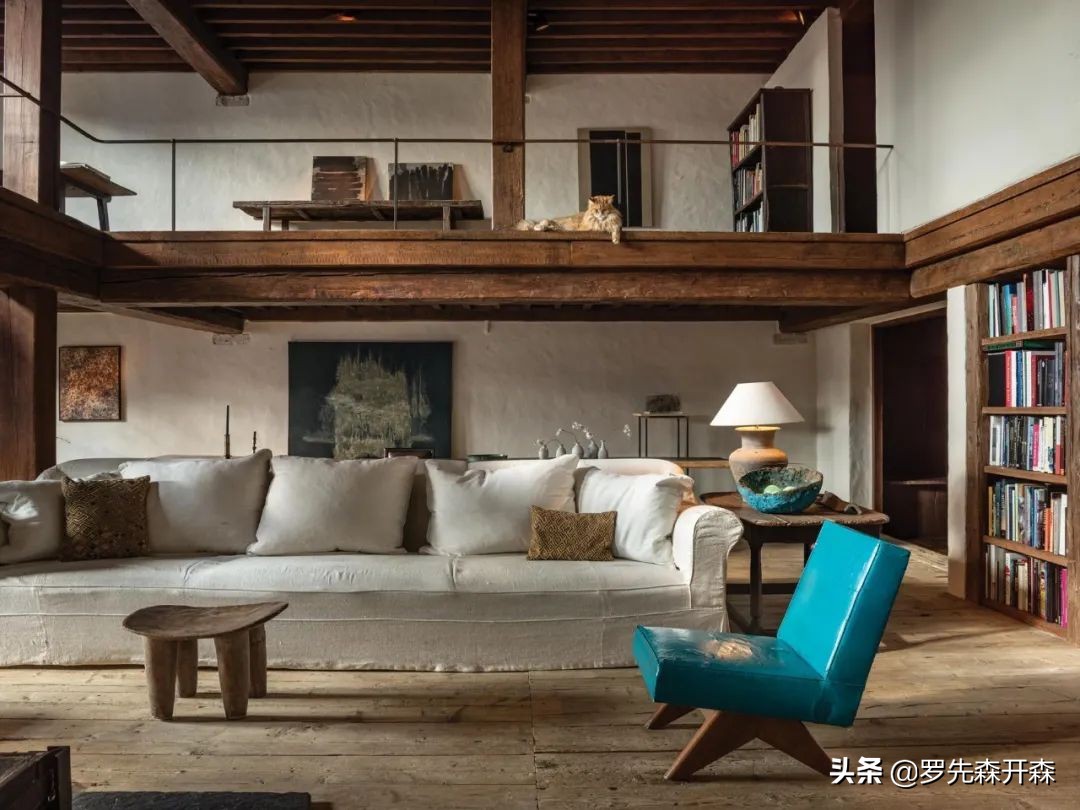

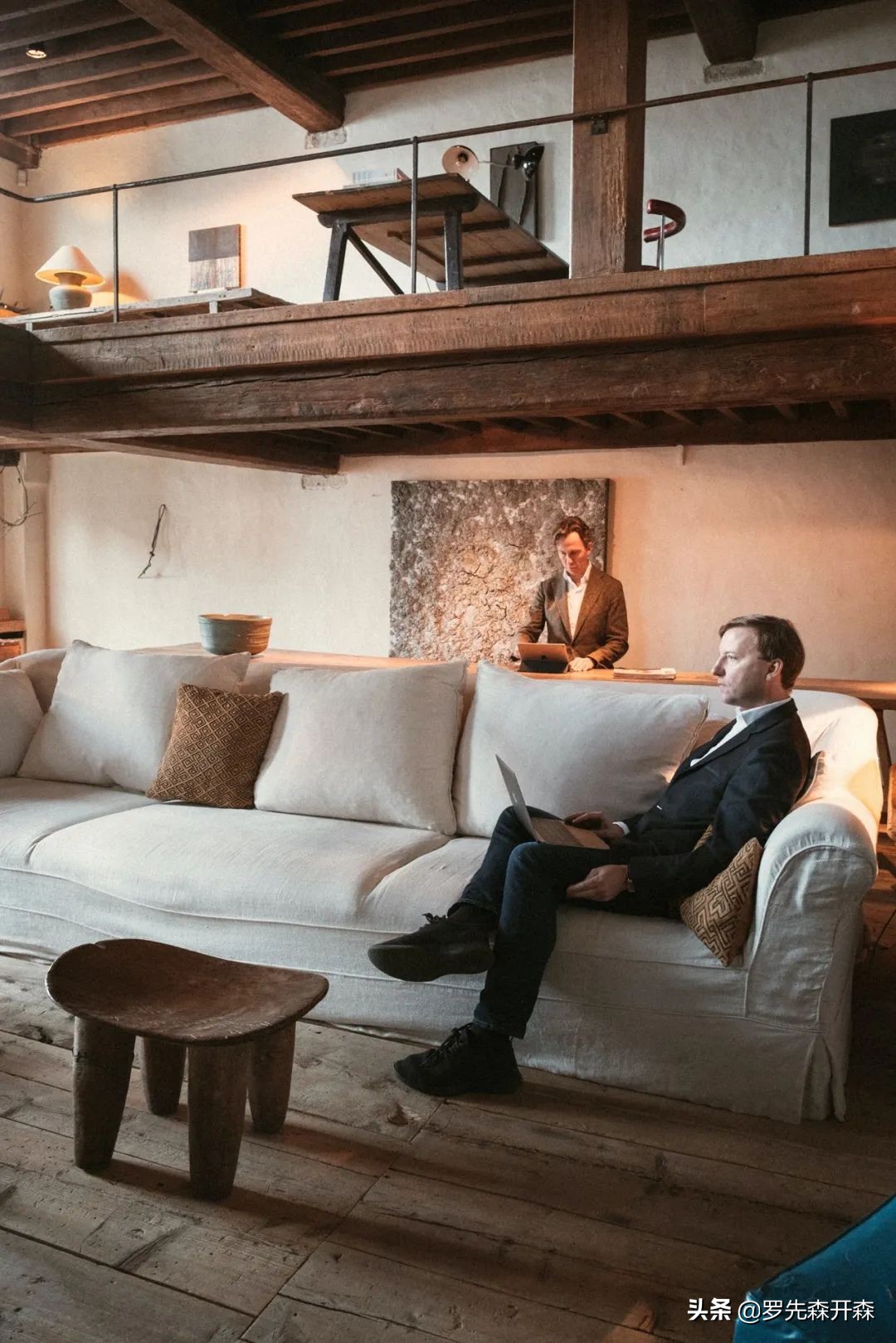
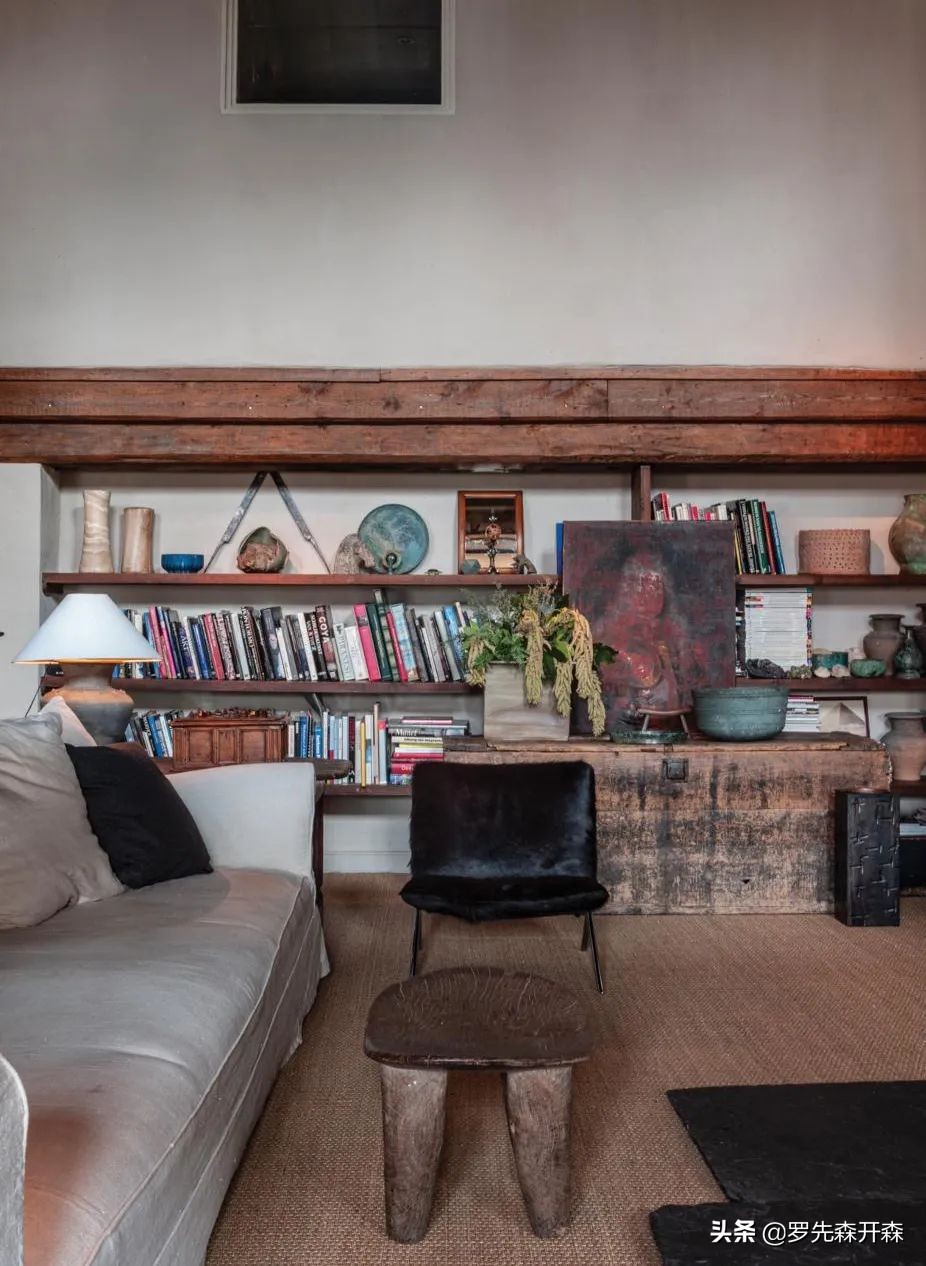
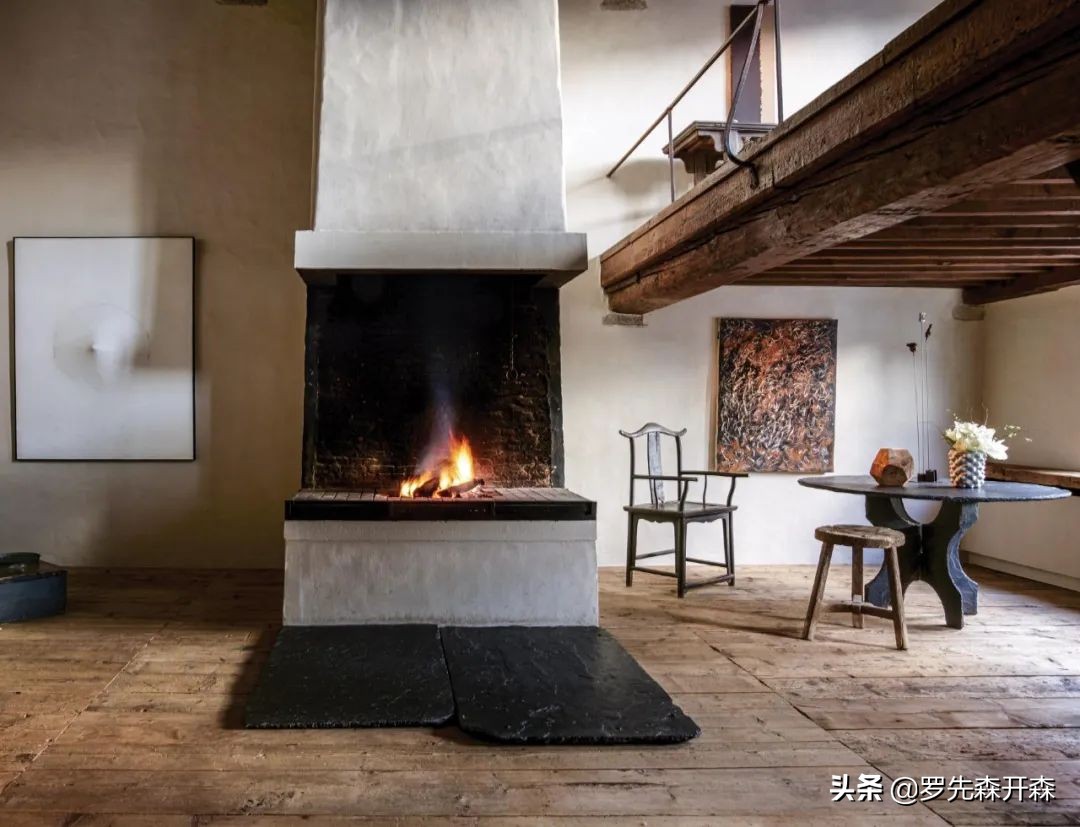


Boris Vervoordt的家位於比利時安特衛普市中心,由一座16世紀的舊倉庫改造而成,整個住宅濃厚的侘寂氛圍,散發著昔日迷人的光景和魅力。他將個人的審美趣味和當代藝術品結合在一起,呈現出獨屬韻味的家居風格。
Located in downtown Antwerp, Belgium, the house is transformed from an old 16th-century warehouse, with a strong wabi-sabi atmosphere and charm. He combines his personal aesthetic interest and contemporary works of art together, presenting a unique home style.



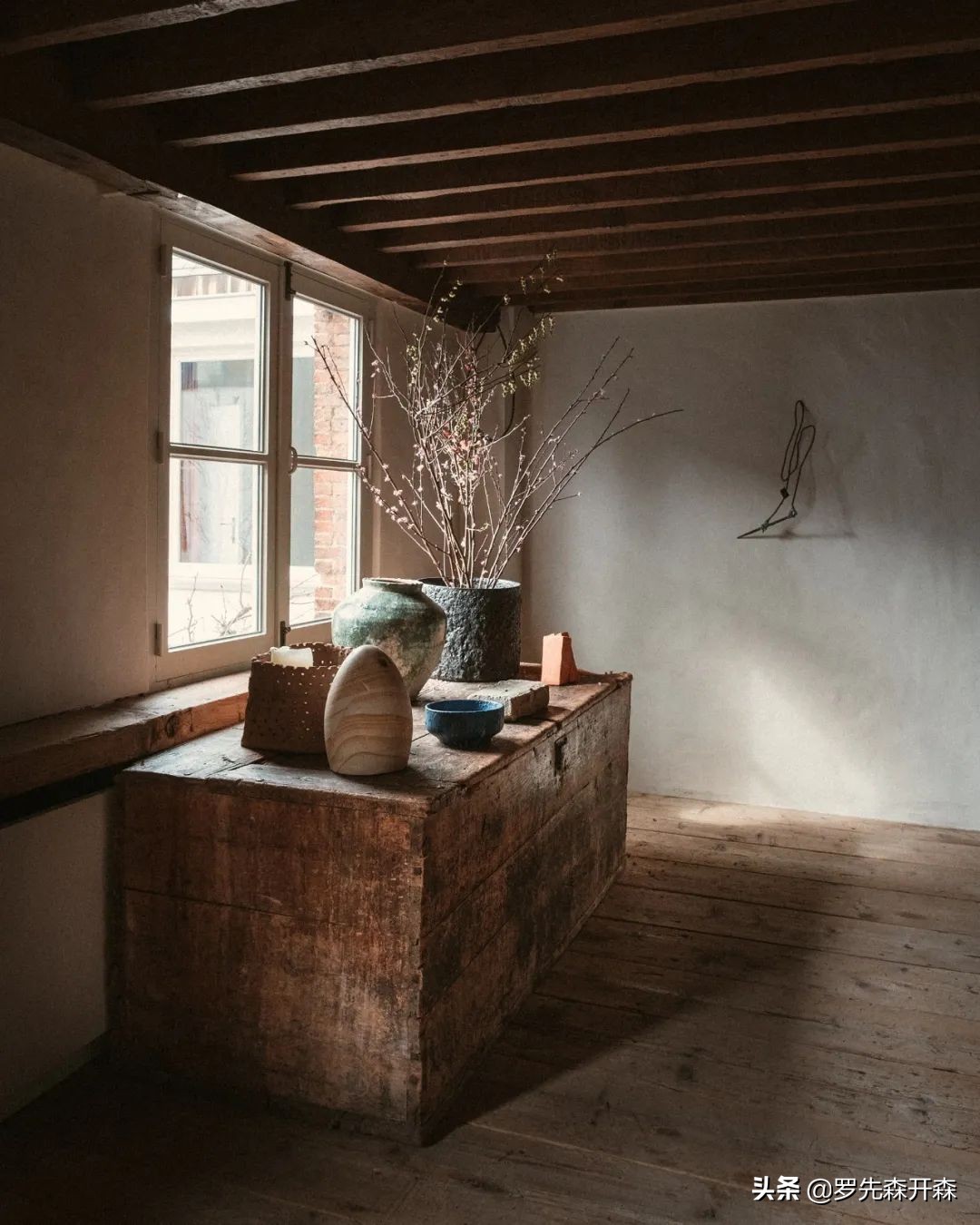
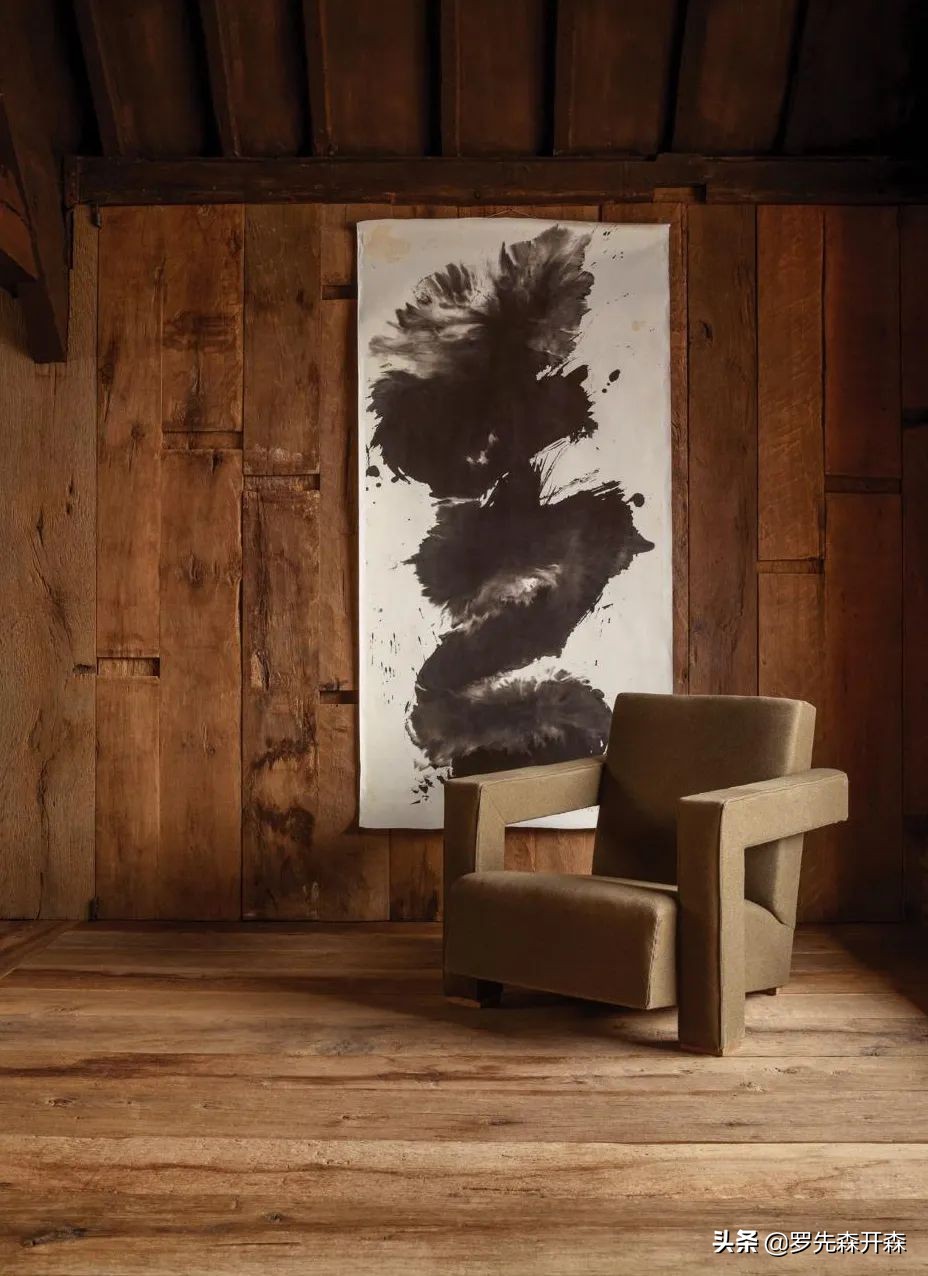
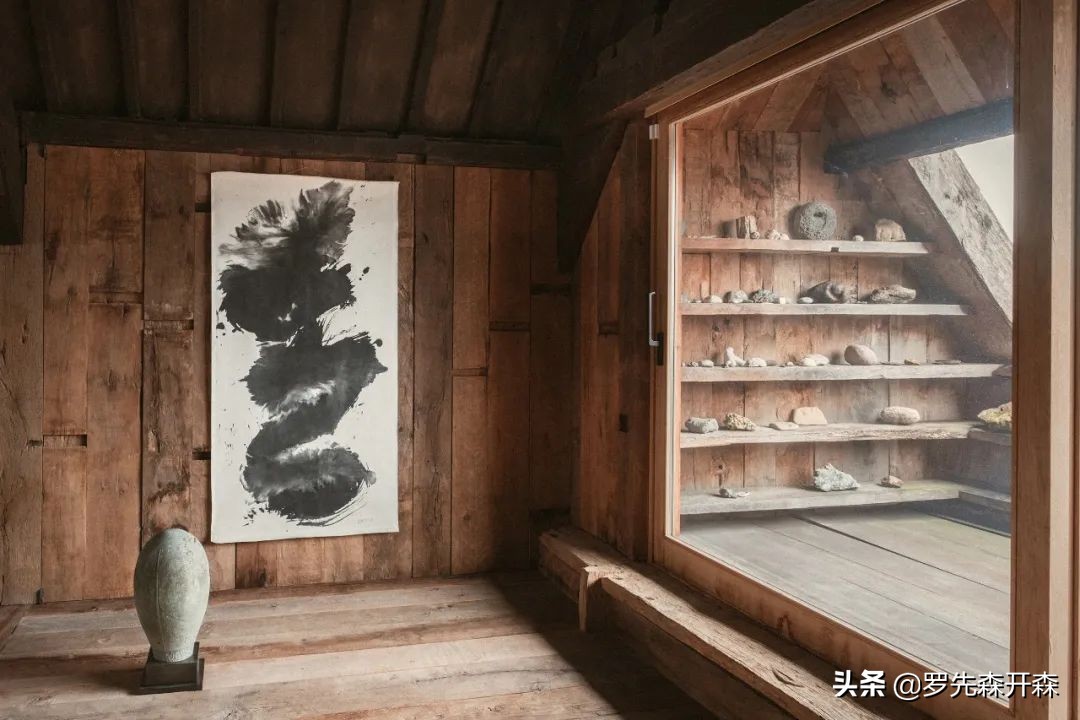
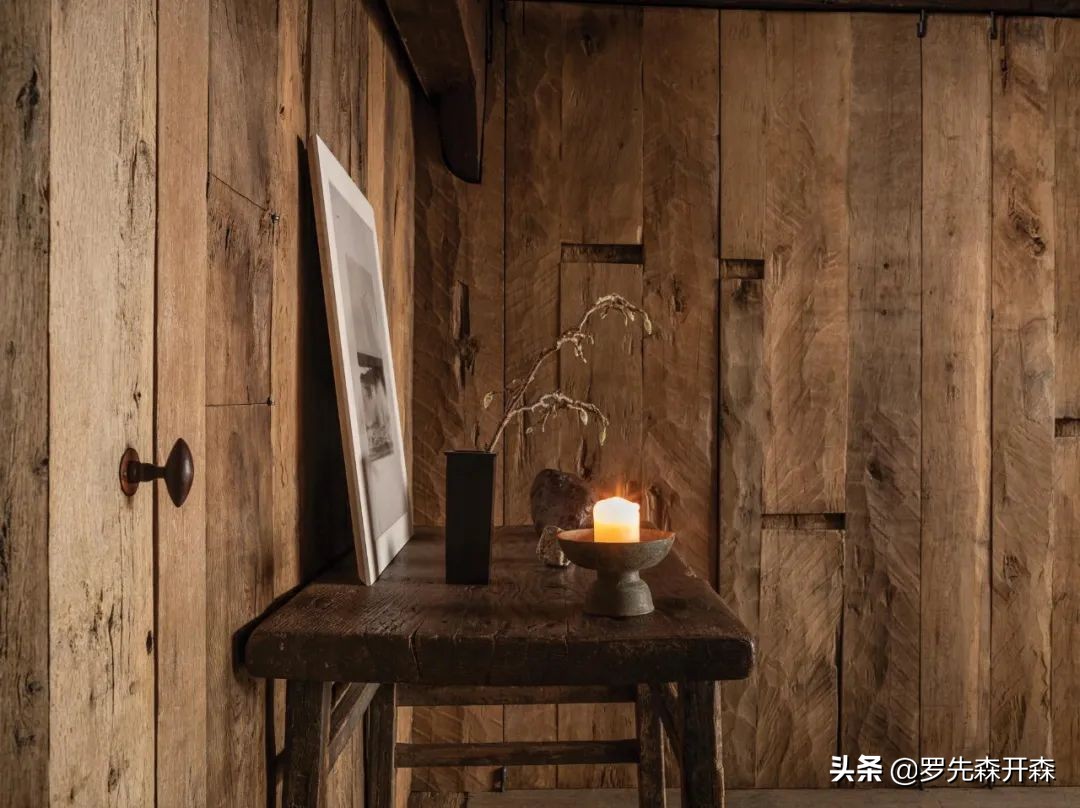

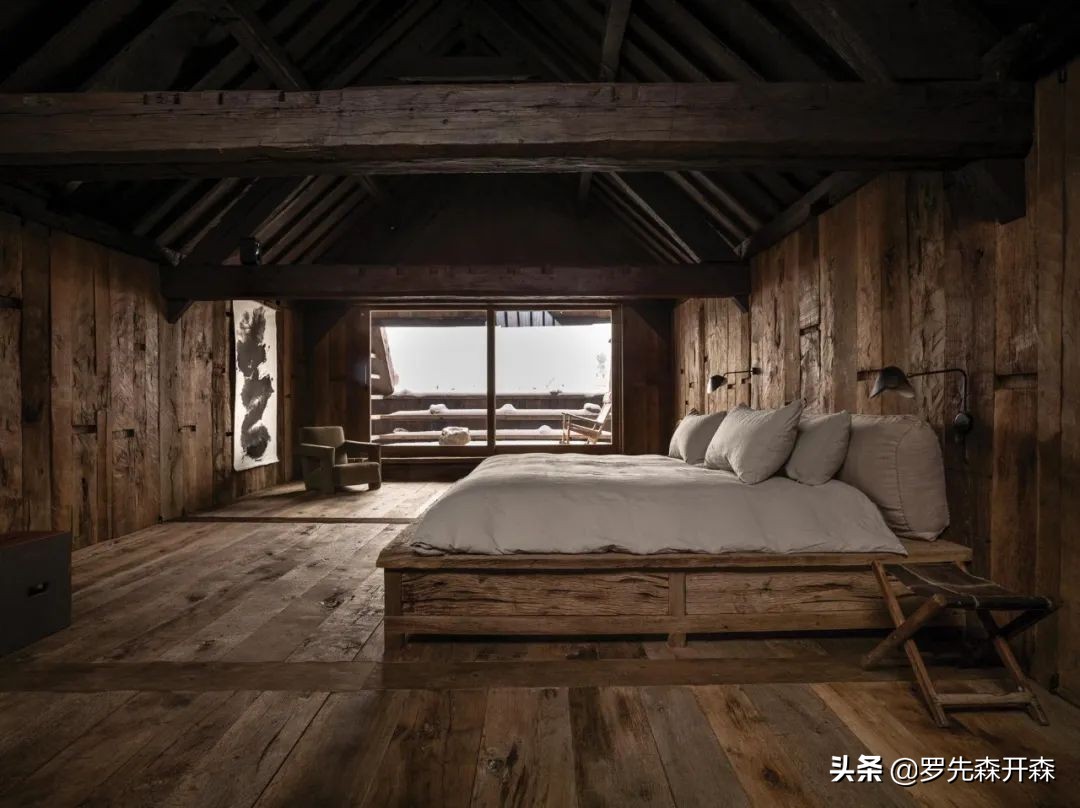

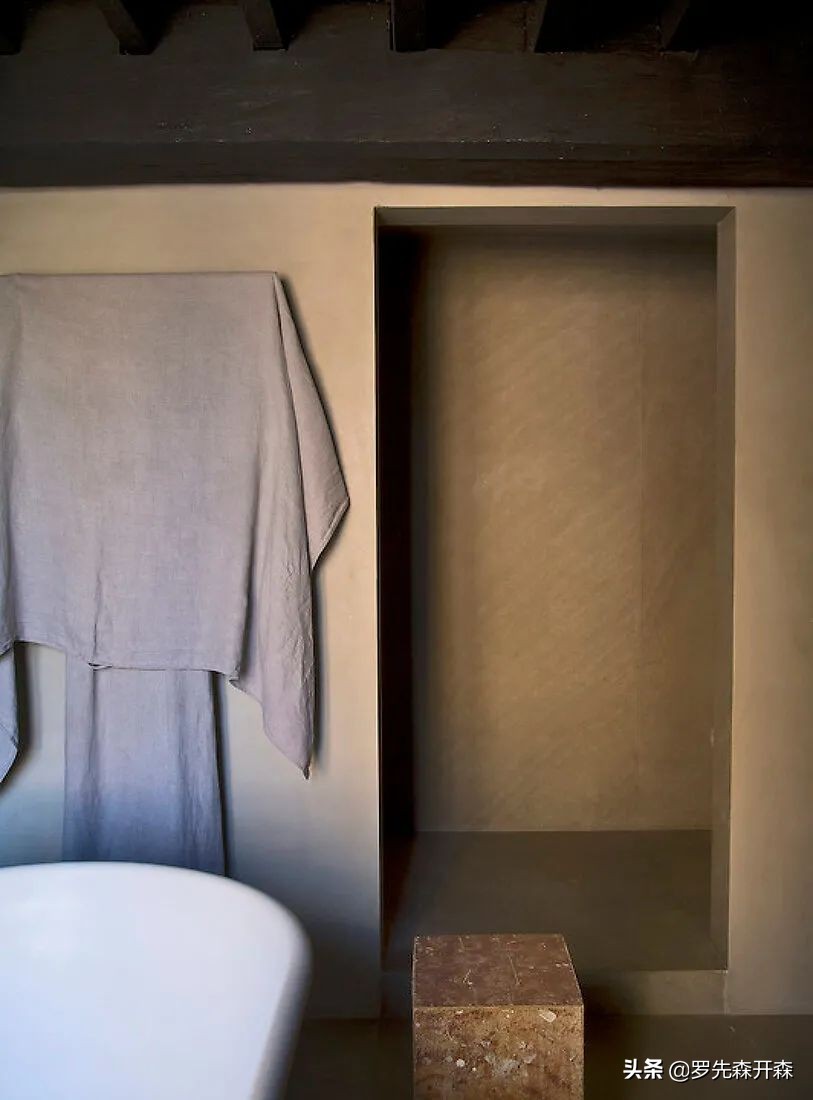

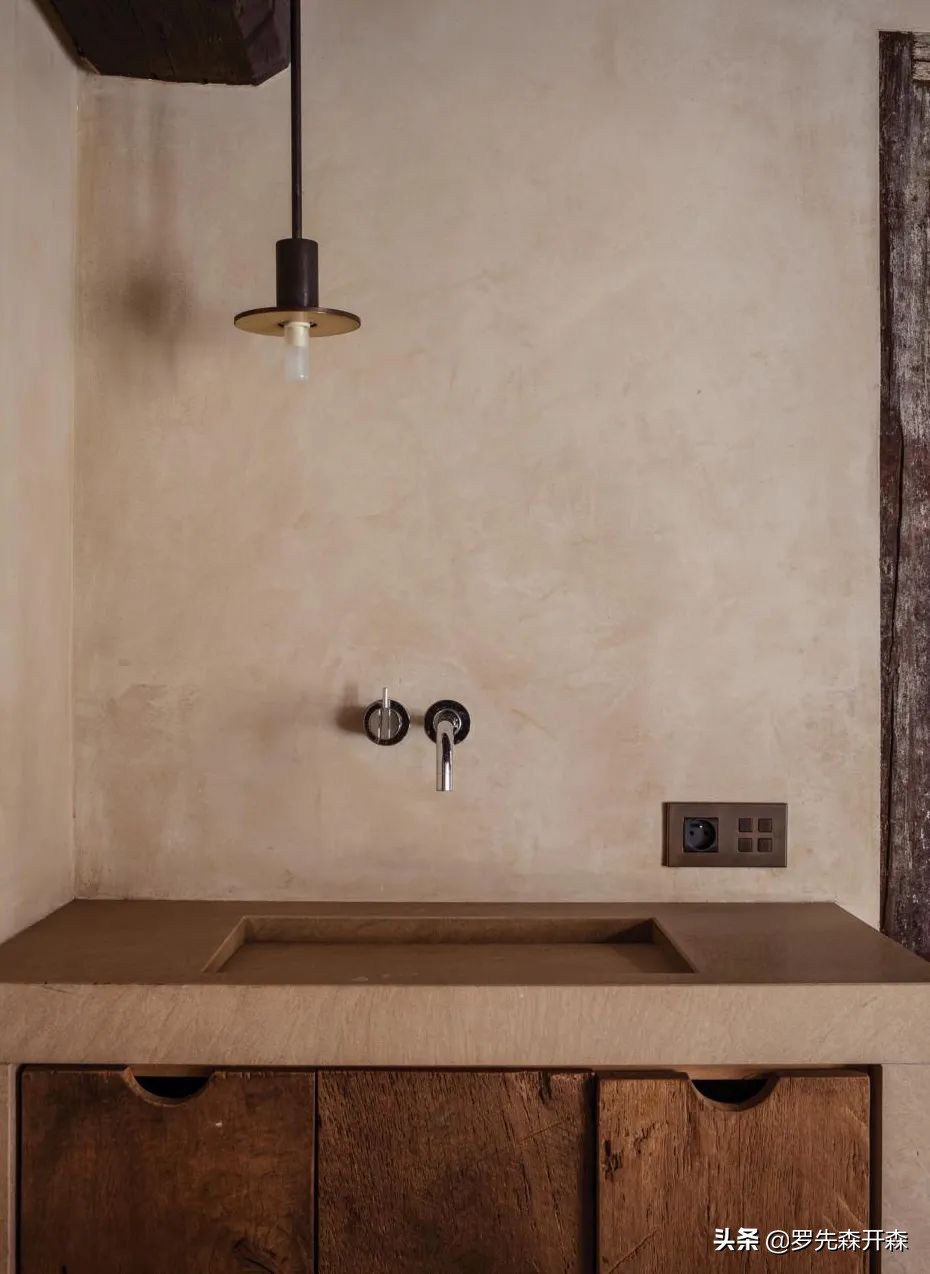
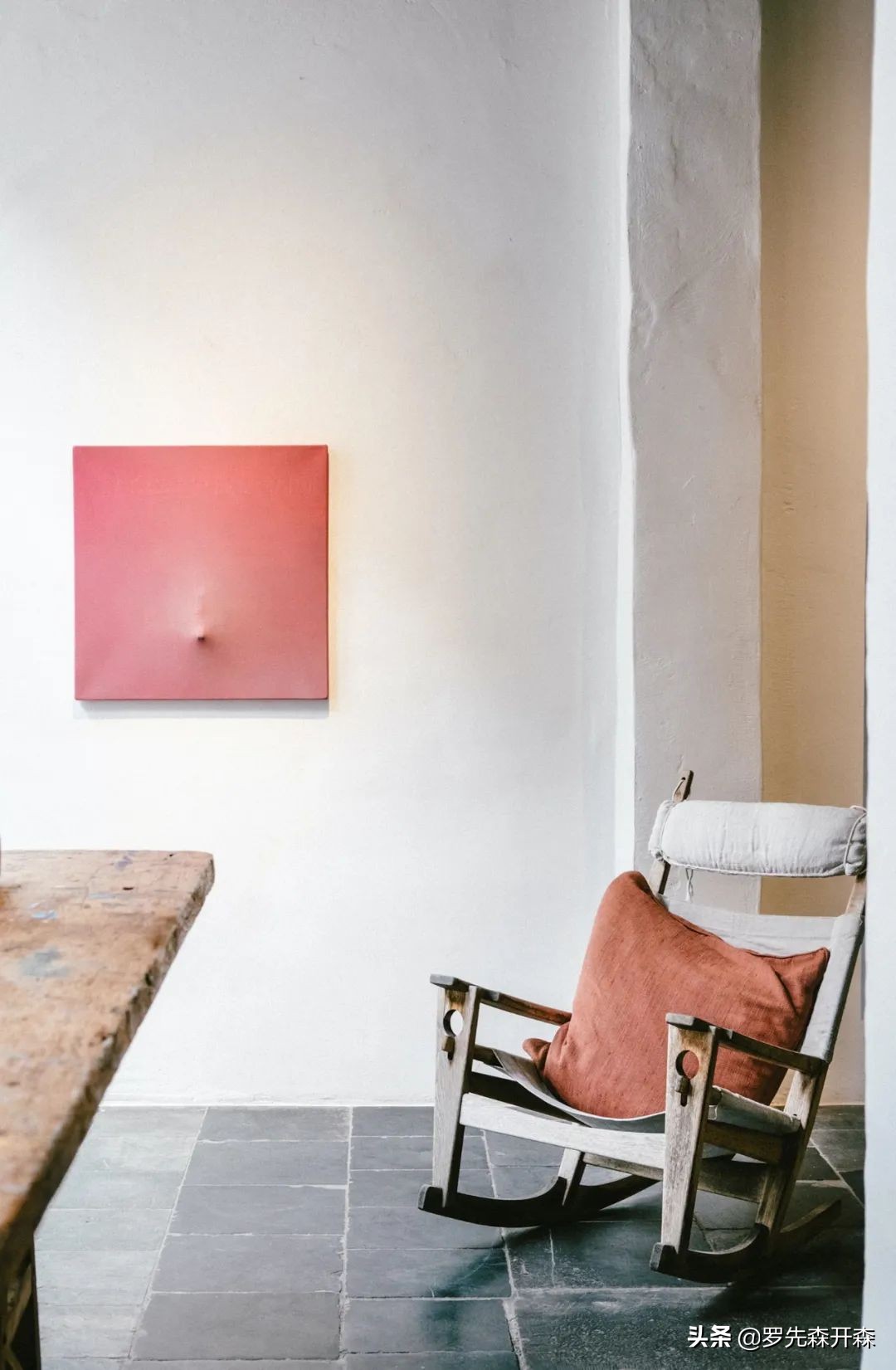
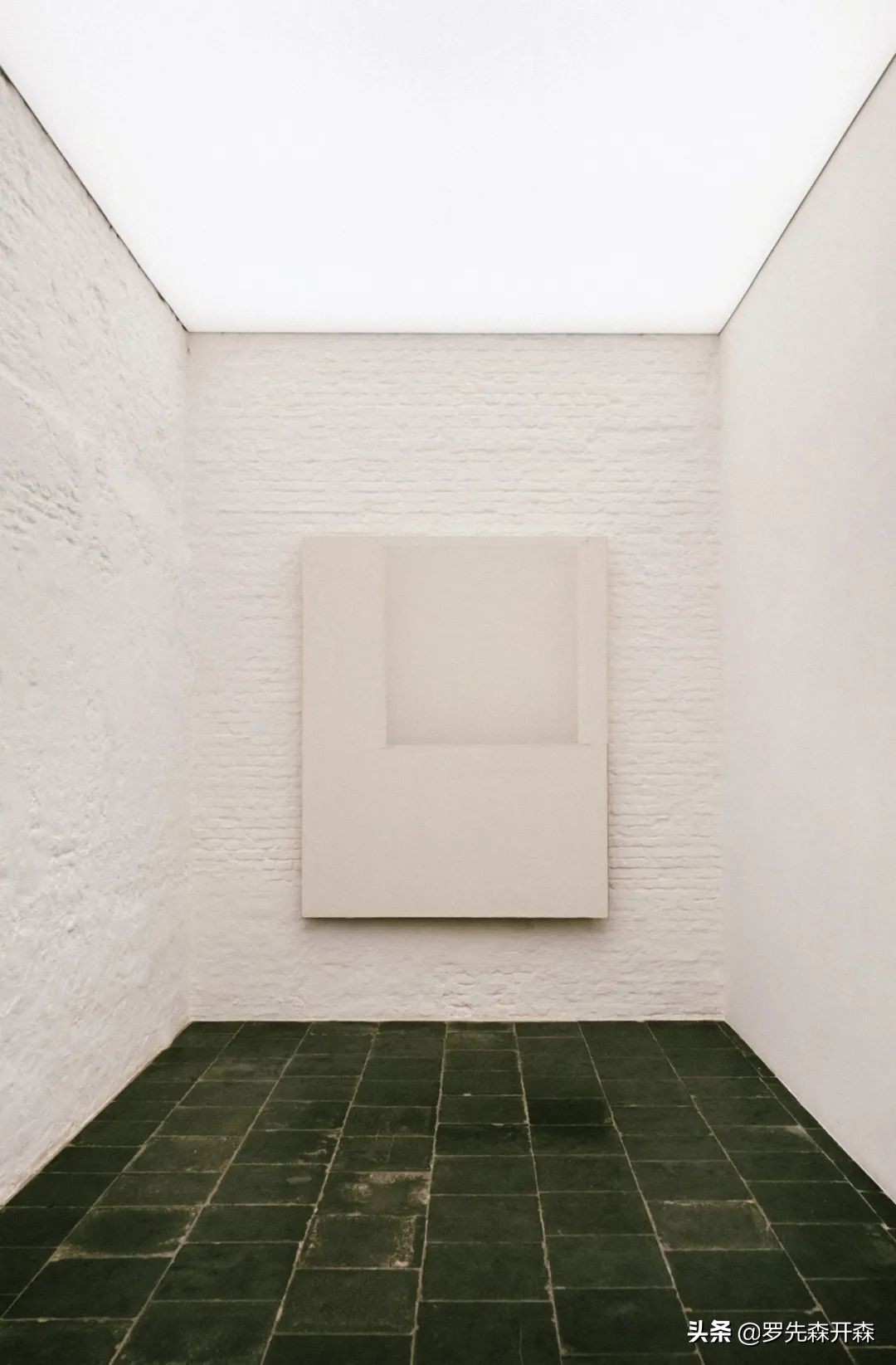
Boris Vervoordt說:“像我父親一樣,我也著迷於古老建築所散發出來的魅力。”為了喚醒侘寂美學中未經雕飾的優雅,整個住宅保留了歷史的舊跡和歲月的遺痕,它們毫無隱藏的體現在斑駁陸離的牆壁上及古老卻富有韻味的傢俱上。Boris Vervoordt認為,家是個人的藝術畫廊,可以用來收藏和展示自己喜愛的物件和藝術品,而這,也給了他獨特的設計靈感與啟發。
Boris Vervoordt: Like my father, I am fascinated by old architecture. To evoke the unpolished elegance of the Wabi-Sabi aesthetic, the design of the interior and furniture leaves behind the texture of history and age, as one on the walls, furniture and other surfaces. The house can also be used as a gallery to collect objects and works of art that people like, which happens to be the design inspiration they get from it.
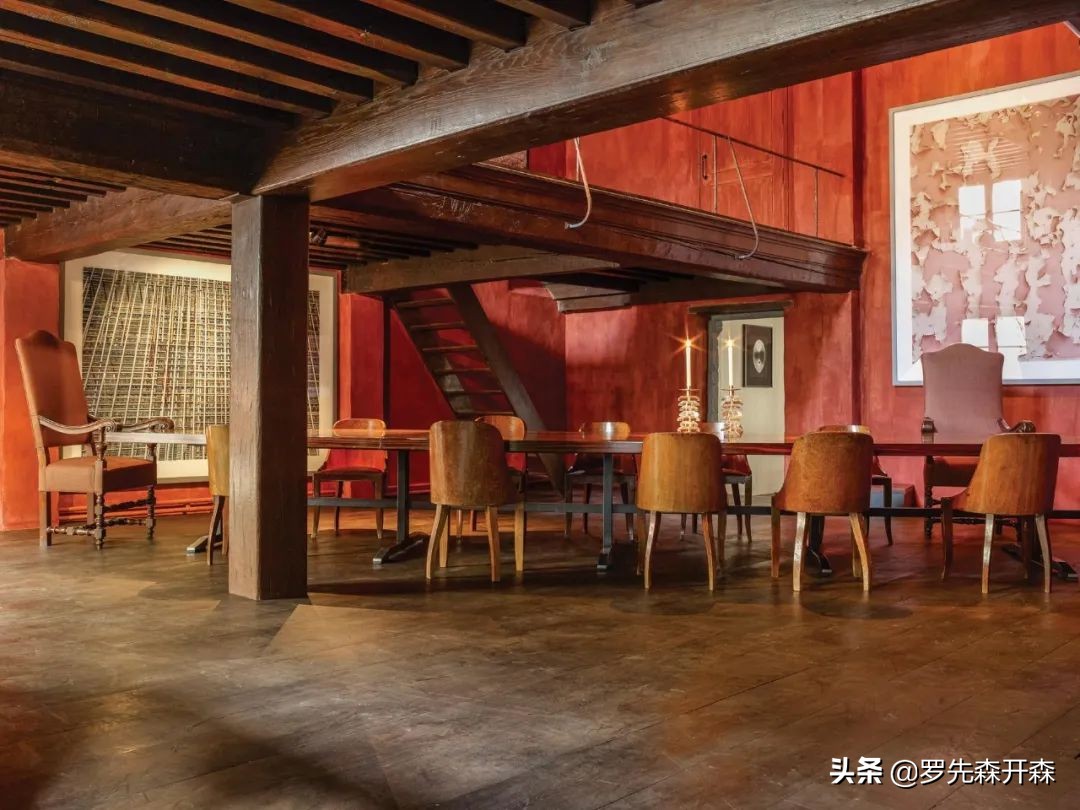
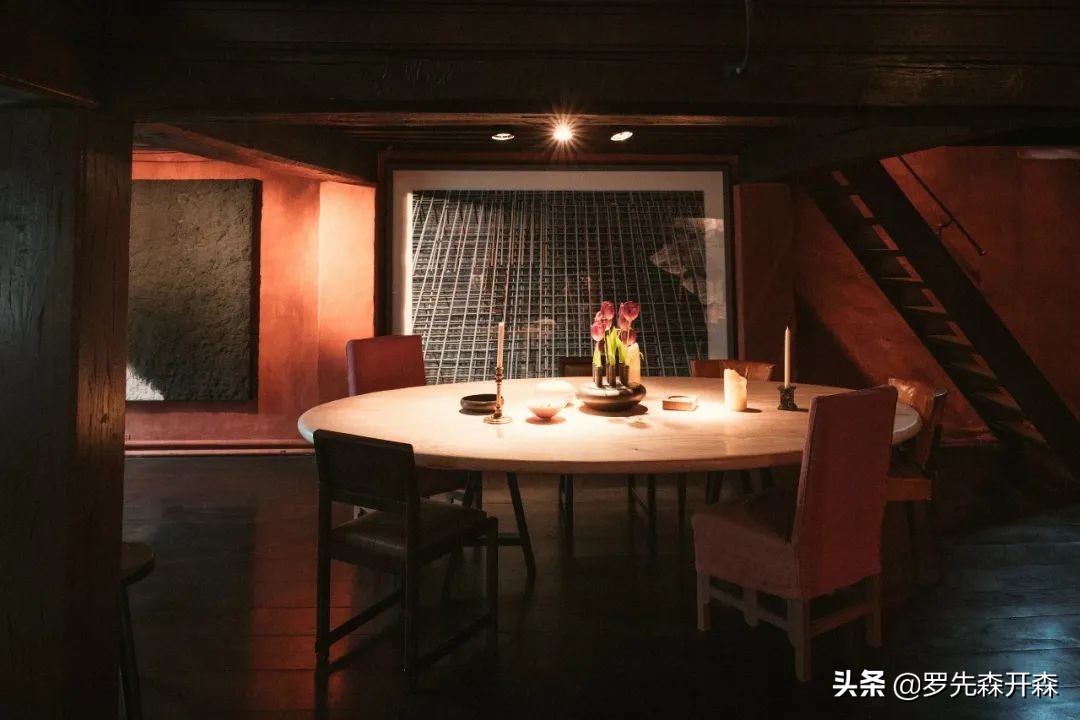
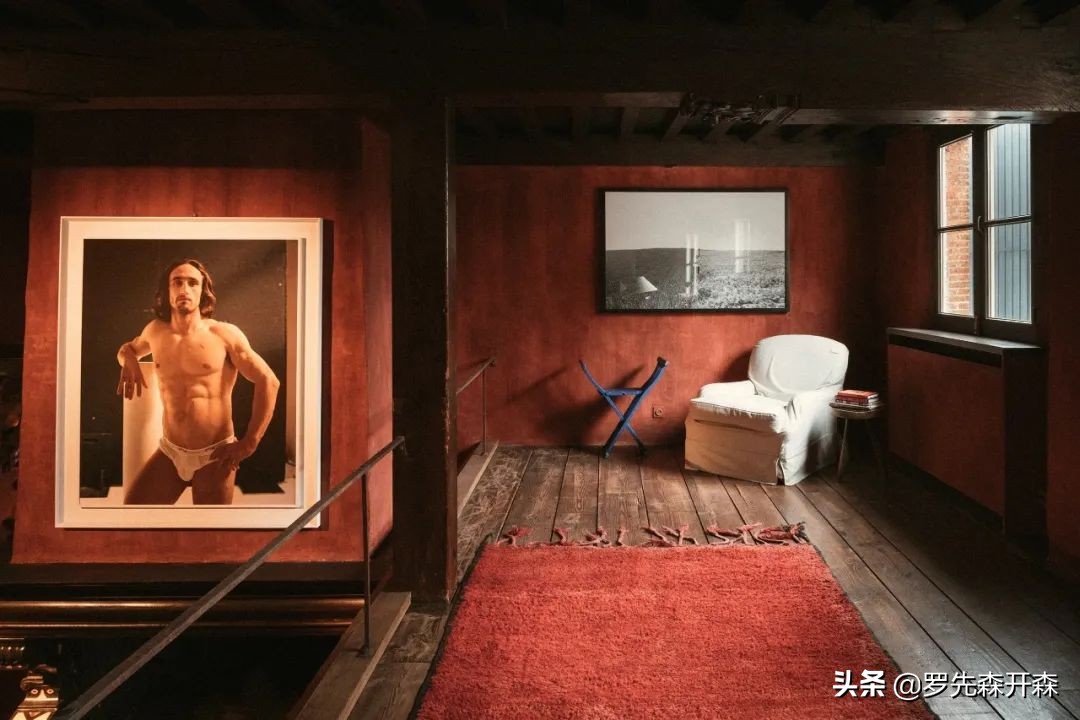



從建造材料、傢俱飾品、陶藝、雕塑、藝術油畫甚至於結構煙囪,所有物件都是獨一無二的存在,使Boris Vervoordt的住宅就彷彿是一座藝術宮殿。而琳琅滿目的收藏品卻以謙恭溫順的表現姿態,始終給人一種平和沉穩之感。這也契合Boris Vervoordt對於侘寂美學和禪宗精神的最好詮釋。
From the construction of materials, furniture ornaments, pottery, sculptures, art paintings and even architectural chimneys, all objects are unique, making Boris Vervoordts residence look like a great palace of art. And a wide collection of beautiful things in eyes but with modest and docile performance attitude, always give a person a sense of peace and calm. This also fits Boris Vervoordts best interpretation of wabi-sabi aesthetics and the Zen spirit.